
十二怒汉
China becomes major global supplier of green fuel, with production capacity of 8m TOE in 2025_我的网站

A |
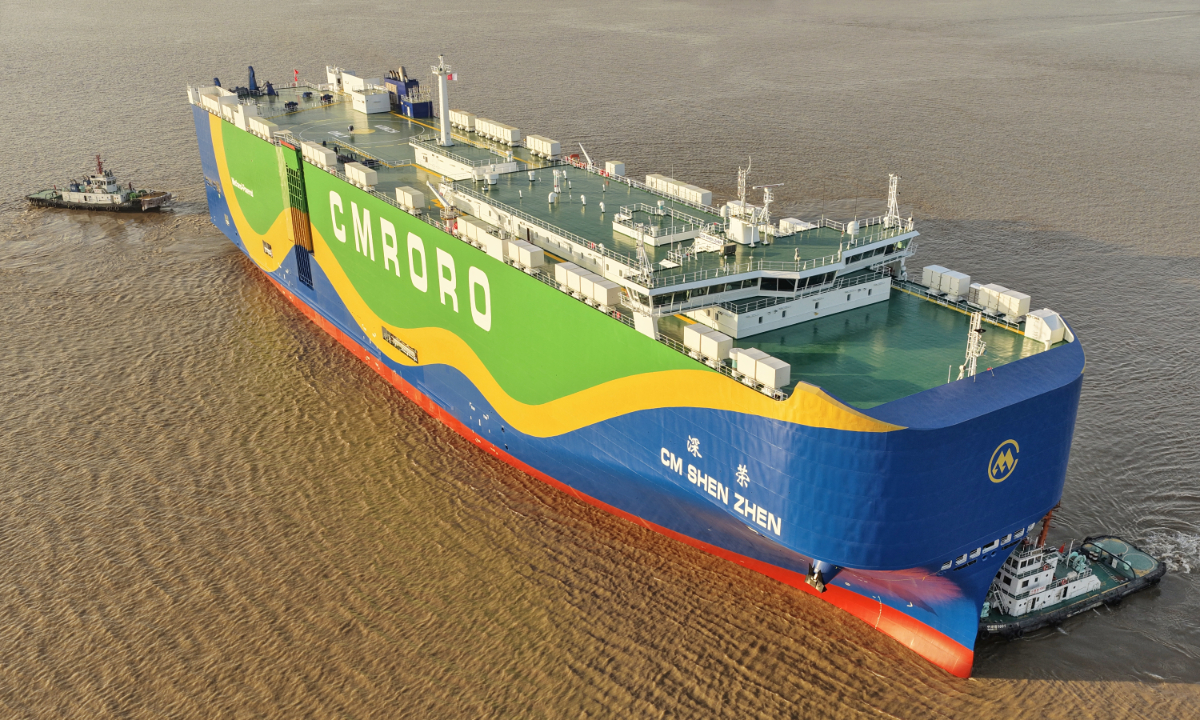
The output of green methanol reached 380,000 tons, green ammonia stood at 700,000 tons, and sustainable aviation fuel hit 1.7 million tons, making China a major global supplier, the report showed.
The NEA published the China Green Fuel Development Report (2026) on its website on Wednesday. Downstream application scenarios for green fuels in China continue to expand, with coverage extending from land transportation to the shipping, aviation and industrial sectors, the report showed.
China's green methanol production capacity accounted for 60.3 percent of the world's total in 2025, according to the report. The ratio for green ammonia was 79.5 percent.
Green fuels, represented by green methanol, green ammonia, and sustainable aviation fuel, are fuels with low carbon emissions throughout their entire life cycles and in compliance with environmental protection requirements.
In recent years, global climate governance constraints have tightened, and the global energy mix has accelerated its transition toward clean and low-carbon sources. International organizations such as the International Maritime Organization and the International Civil Aviation Organization, as well as countries and regions including the US, the EU, and Brazil, have introduced policies to promote carbon reduction in key transportation sectors.
Analysts said that China's development of green fuels not only supports deep decarbonization in key industries and addresses the bottleneck of large-scale renewable energy absorption, but also helps cultivate new drivers of economic growth. That's very significant in supporting global climate action and promoting a comprehensive green transformation of the Chinese economy and society, they said.
Although China has taken a leading position globally in green fuel production and equipment R&D, key technological equipment still requires further breakthroughs, Li Zhijian, vice president of the China National Petroleum & Chemical Planning Institute, said in a post on the NEA's website.
In particular, there remains considerable room for improvement in areas such as biomass gasification efficiency and the performance of high-efficiency synthesis catalysts - areas that urgently need focused research efforts, Li noted.
According to projections from domestic and international institutions, global green fuel demand is expected to reach about 10 million TOE by 2030 and exceed 100 million TOE by 2050, indicating vast room for industrial growth.
China, rich in renewable resources such as wind, solar, and biomass, provides a solid foundation for large-scale development of the green fuel industry, the NEA said.
China could achieve green electricity from a total installed capacity of 3.6 billion kilowatts for wind and solar power, with an annual available volume of organic waste of some 617 million tons by 2035. If reasonably used for green fuel production, this could support an industrial scale of about 10 million TOE, Li said, citing an industry estimate.
Global Times
。 (ECNS) -- The rapid growth of artificial intelligence is driving a new wave of electricity demand, putting nuclear power back in the spotlight. China, which has the world's largest nuclear power capacity under construction, is accelerating the development of nuclear energy to provide reliable, low-carbon electricity for its growing economy and emerging AI industries. According to the National Energy Administration, China has 112 nuclear units in operation or approved, with a combined capacity of 125 million kilowatts — the highest globally. Its nuclear capacity under construction also ranks first worldwide. As China continues to expand its nuclear power fleet, which province leads the country in nuclear energy? And why is China stepping up investment in the sector? Guangdong Province has emerged as China's nuclear leader. In the first half of 2026, its nuclear generation reached 57.31 billion kilowatt‑hours, supported by a complete industry chain spanning design, equipment manufacturing, construction and operation. Guangdong has also developed a complete nuclear power industrial chain spanning design, equipment manufacturing, construction and operation. The State Council recently approved the third phase of the Taipingling Nuclear Power Plant in Guangdong, marking another major step in the province's nuclear expansion following the approval of five nuclear power projects, including the Taishan project, last year. With major nuclear power bases including Daya Bay, Ling'ao, Yangjiang, Taishan and Taipingling located along its coastline, Guangdong is expected to see nuclear power generation rise significantly as new units come online, helping meet growing electricity demand from industries such as AI and data centers. Fujian Province, meanwhile, has the highest share of nuclear power in its electricity generation mix. Nuclear energy accounted for 28.1% of the province's total power generation, according to the NEA, meaning nearly three in every 10 kilowatt-hours generated in Fujian came from nuclear power. With major nuclear power bases in Ningde, Fuqing and Zhangzhou, nuclear energy has become a key pillar of Fujian's power supply. The expansion of nuclear power is being driven in part by rapidly growing electricity demand in the age of artificial intelligence. In the United States, major technology companies are also turning to nuclear energy to secure reliable, low-carbon electricity. Microsoft has signed a 20-year agreement linked to the restart of the Three Mile Island nuclear plant, while Google has announced plans to procure power from small modular reactors. As AI development drives electricity demand higher, the convergence of artificial intelligence and nuclear power is beginning to reshape the global energy landscape. China is also part of this growing "AI + nuclear power" trend. As the clean energy transition gathers pace, the country's expanding nuclear power hubs are providing a stable source of electricity to support both its digital economy and broader green transformation. (By Gong Weiwei)

 。
。Current article:http://xvxj.linxiuhuaishuangniuzhenrua.bond/list_iix/q2y42.html
Published on:01:25:44
- 上一篇:滥发信息,误导消费
- 下一篇:国台办:赖清德“假民主、真独裁”早已恶名远扬
我的网站最近更新
- 微软专利揭示能调节表面粗糙度的先进显示屏
- 以“好学校”建设为主线,基础教育、职业教育集中亮相 山东教博会上看泉城教育新貌
- 杭州这款“会飞的救生圈”,被外交部发言人转发点赞!“未来用于挽救生命”,重9斤,可自主导航飞到落水者身边,西湖景区已部署3台
- 2026“邓亚萍杯”乒乓球公开赛西安站售票正式开启共赴古城国球盛宴
- Biden Administration Eyes Mid-September for New COVID-19 Booster Shot Rollout
- 贝弗利:76人众将身体在线 对手要感到头疼了
- 加息突变!美联储发出重大警告
- 被腰斩的《钢铁侠》一小时实机泄露!完成度超高
- 1至7月河北经济总体平稳 发展向新向优
- 机器人会自己想办法干活 未来机器人足球队将踢赢人类足球
- 美欧宇航员再次出舱,继续完成通信天线安装工作
- 扣篮界的黑八!陈登星凭借飞人臀下换手坐扣 淘汰NBA扣篮王麦克朗
- Environmentalists warn of intent to sue over snail species living near Nevada lithium mine
- 章建平、葛卫东、付小铜、钟格等超级牛散新动向!新进这些个股
- 厦门文旅直通车开进闽宁镇
- 斯特鲁斯:阿德巴约身板强悍 我可不想和他对上
- 英伟达:人工智能相关产品价格将涨价超15%
- 没想到对决老詹?哈特:看到揭幕战赛程我相当意外
- WNBA-韩旭贡献6分1板1助1帽1断 助自由人20分逆转
- 数字考古现场!魔改版Tesla M60现身二手市场:双芯16GB显存却不能用
- 县委第六轮巡察工作动员部署会议召开
- 多位百亿基金经理大调仓
- 奇妙的中微子:物理学家一直在寻找的幽灵粒子
- V社透露将于 9 月 14 日开启 Steam VR 促销活动,届时有望公布 Steam Frame 头显更多信息
我的网站热门资讯
- 基金投顾服务APP排名2025-2026:六大维度横评五大持牌平台
- 英媒:澳大利亚老人遭袋鼠袭击后死亡_男子_胡溦
- 货拉拉
- 从“老破小”到“好房子” 西湖区打通居家改造服务“最后一公里”
- 全网催更的低糖版终于来了,但旺旺的麻烦不止“太甜”这一件事
- 广州海关累计监管市场采购出口化妆品货值超4900万元,广州海关累计监管市场采购出口化妆品货值超4900万元
- 张军:这周我们做了充分的准备,希望明天可以取得想要的结果
- 售12.98万起/共推出4款配置 一汽丰田bZ5正式上市
- 出海“必争之地”:中国新能源车企立足新加坡开启全球化新模式
- 怎么找擅长套利策略的期货客户经理?
- 《中国eVTOL产业发展研究报告》发布:成都企业具全球竞争力,有望成为“全球eVTOL第一城”
- 跑步被绊倒扭伤:怪“路”,还是怪“人”?
- 预计2.5万元起售!张雪首台巡航车600V全新专利曝光
- 赢麻了!张本智和独揽27万奖金,国乒4人合计14万
- 国管公积金新政,首套房最高可贷款340万元
- 行业调整期,雅迪用行业引领者与出海加速度交出中期答卷
- 郑钦文无缘“背靠背”16强
- 두산에너빌리티·남동발전 “발전소 건설 인력 연락 두절…상황 파악 중”
- 英伟达新一代算力平台补齐拼图 结合DeepSeek模型Token成本可降35倍
- Box Office Report: Dhurandhar Inches Closer to The Rs 450 Crore Club
- 威少退役登全美第一热搜!两队给合同遭拒 名嘴:该退役球衣+塑雕像
- 数千人聚集怀唐伊 在条约签署地参加黎明仪式
- 1300万元赠票来啦!福彩快乐8双重福利同步开启
- 哈登新合同详情:全额保障+球员选项+交易保证金